How To Secure Your Healthcare AI Infrastructure Against Modern AI-Powered Cybersecurity Threats


Almost all modern healthcare institutions are relying on legacy Electronic Health Record (EHR) systems by default to manage patient data and clinical workflows. These are often obsolete, monolithic pieces of software that were built decades ago, long before the advent of cloud computing or artificial intelligence. They form the backbone of the healthcare ecosystem, much like the GNU project forms the base of many Linux distributions.
They are used because they are deeply entrenched, highly regulated, and difficult to replace. However, as we rush to integrate cutting-edge Artificial Intelligence models into these aging systems to improve diagnostic accuracy and operational efficiency, we are inadvertently opening the doors to a new era of cyber vulnerability.
While the integration of AI into clinical workflows is essential for modern medicine, it exposes these aging systems to a new wave of sophisticated cyberattacks. The attack surface has expanded dramatically.
An AI model requires vast amounts of data, frequent updates, and complex API connections, all of which create new entry points for malicious actors. You can still choose to harden your infrastructure using free and open-source security tools.
The cybersecurity community has combined dozens of powerful scanners and AI-driven pentesting frameworks in hubs like GitHub. All you have to do is to select the right tools and integrate them into your security pipeline.
 Hamza Musa
The steps you should follow are below:
1- Identify vulnerabilities in your legacy systems using open-source cybersecurity scanners.
The first step in securing your environment is to understand what you are protecting. Legacy EHR systems often run on outdated operating systems, use deprecated encryption protocols, or have unpatched services that are no longer supported by their original vendors. These "digital fossils" are easy targets for automated bots and skilled attackers alike.
Before you even begin to integrate AI, you must map out the weaknesses in your current infrastructure.
- Deploy OpenVAS (Open Vulnerability Assessment System) or Wazuh to scan your network for outdated protocols and unpatched services in your EHR infrastructure. OpenVAS is a full-featured vulnerability scanner that can detect thousands of known CVEs (Common Vulnerabilities and Exposures). Wazuh, on the other hand, offers both vulnerability detection and real-time intrusion detection, making it ideal for continuous monitoring.
- Use Nmap to map out your network topology and identify any unauthorized devices connected to your clinical VLANs. Nmap is the industry standard for network discovery and security auditing. By running a comprehensive scan, you can identify every device on your network, from MRI machines to nurse stations, and ensure that only authorized devices are communicating with your core servers.
- For Debian-based distributions, you can install these tools using
sudo apt install openvas wazuh-agent nmap. For Fedora-based distributions, usesudo dnf install openvas wazuh-agent nmap. Ensure that you configure these tools to run regular scans, not just one-time assessments, as new vulnerabilities are discovered daily.
 Hamza Musa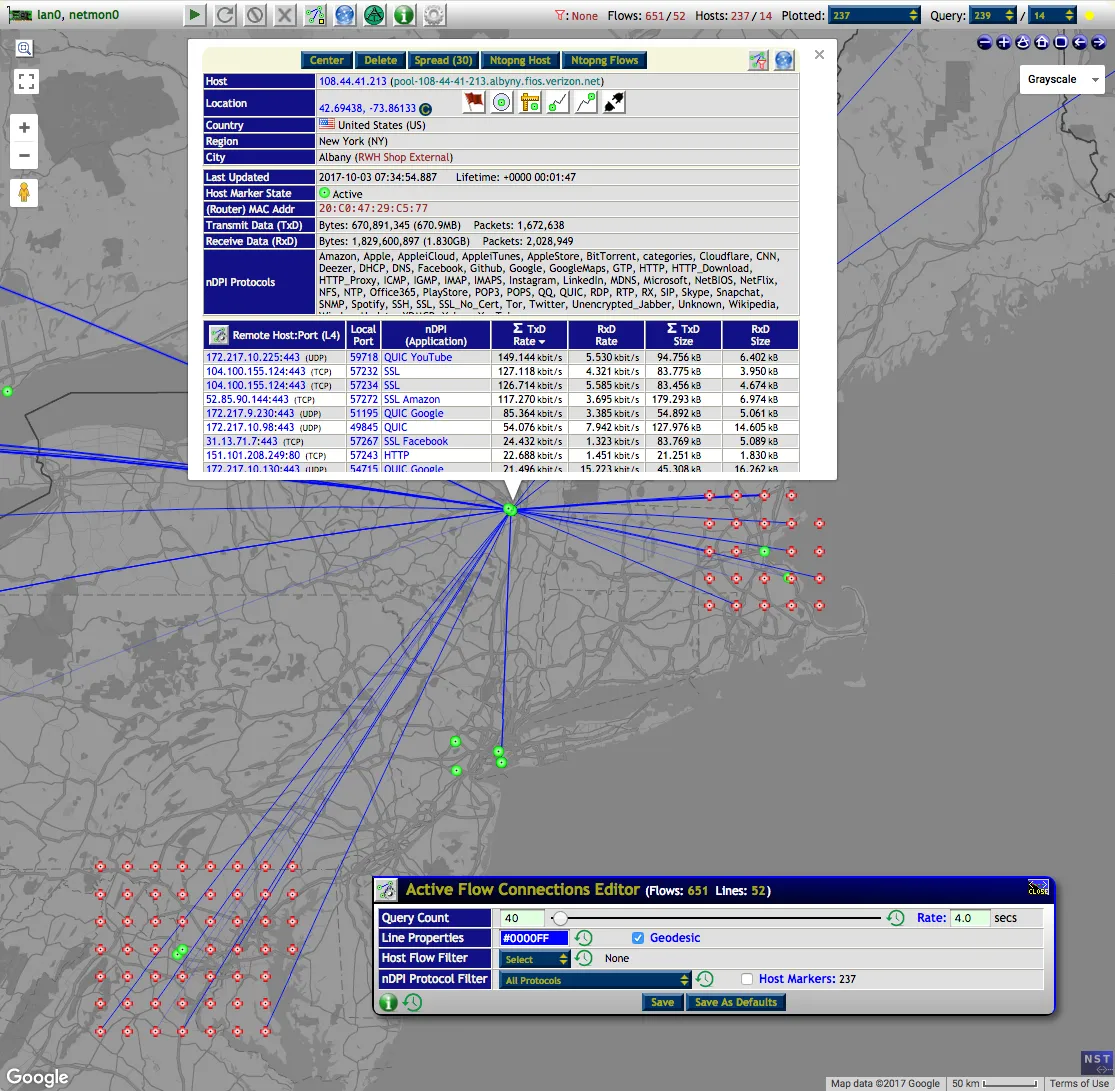
 Hamza Musa
2- Leverage AI-powered penetration testing tools to simulate real-world attacks on your AI integration points.
Once you have identified the static vulnerabilities in your legacy systems, you must address the dynamic risks introduced by AI. AI models are not just software; they are complex mathematical engines that can be manipulated through adversarial attacks, data poisoning, or prompt injection.
Traditional security scanners often miss these nuanced threats. This is where AI-powered penetration testing comes in.
- Use frameworks like AutoPentest or DeepExploit to automatically test your AI APIs for injection flaws and data leakage risks. These tools use machine learning algorithms to mimic the behavior of human hackers, trying thousands of different attack vectors to find weaknesses in your API endpoints. They can identify if an attacker can manipulate the input data to cause the AI to produce incorrect or harmful diagnoses.
- Run these tests in an isolated staging environment that mirrors your production setup to avoid disrupting live patient care. Never run aggressive pentesting tools on a live clinical system. Create a duplicate of your EHR and AI infrastructure in a sandboxed environment. Use containerization technologies like Docker or Kubernetes to replicate your production environment accurately.
- Configure the AI pentesting tools to focus on specific threat models relevant to healthcare, such as HIPAA compliance violations or patient data exfiltration. You can customize the attack scripts in these frameworks to prioritize tests that target protected health information (PHI).
 Hamza Musa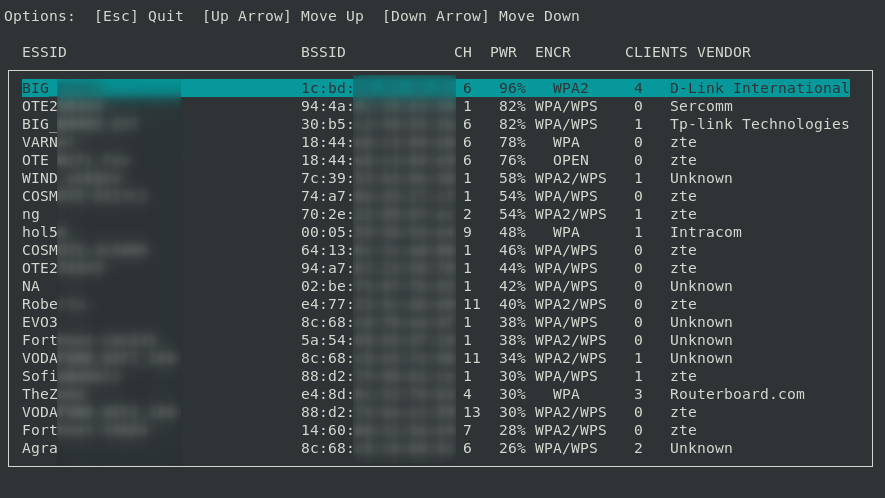
3- Harden your AI model endpoints and data pipelines against adversarial attacks.
Identifying and testing for vulnerabilities is only half the battle. You must also implement proactive defenses to protect your AI models and the data they process. This involves hardening the code, the infrastructure, and the data flow itself.
- Implement input validation layers to sanitize all data entering your AI models from legacy systems. Legacy EHRs often contain messy, unstructured, or inconsistent data. If this data is fed directly into an AI model without cleaning, it can lead to errors or be exploited for injection attacks. Use middleware services to validate, clean, and format all incoming data before it reaches the AI engine.
- Use TensorFlow Privacy or similar libraries to ensure that patient data used for model training cannot be reverse-engineered. Differential privacy techniques add noise to the data during training, making it mathematically impossible to determine if a specific individual’s data was used in the model. This is crucial for maintaining patient confidentiality while still allowing for robust model training.
- Encrypt data at rest and in transit using strong, modern encryption standards. Ensure that all communication between your legacy EHR, your AI middleware, and your database is encrypted using TLS 1.3. Store sensitive patient data in encrypted volumes, and manage encryption keys using a dedicated hardware security module (HSM) or a secure key management service.
 Hamza Musa
4- Monitor your system continuously and you should see a significant reduction in security risks:
Security is not a one-time task; it is a continuous process. The threat landscape evolves rapidly, especially in the age of AI, where attackers can also use AI to automate and enhance their attacks. Continuous monitoring allows you to detect and respond to threats in real-time.
- Set up alerts in Wazuh or your chosen SIEM (Security Information and Event Management) system to notify your security team of any suspicious activity. This could include unusual login attempts, large data transfers, or unexpected changes to configuration files.
- Regularly update your open-source security tools and AI models. Subscribe to security mailing lists and GitHub repositories for the tools you use to stay informed about new patches and features.
- Conduct regular red-team exercises where a team of ethical hackers attempts to breach your defenses using the latest techniques. This helps you identify gaps in your security posture that automated tools might miss.
There are lots of open-source cybersecurity tools that you can choose between on GitHub and specialized security forums. Check them out if you would like to strengthen your defense further. You can also play with the configuration rules of these scanners to change the way they detect threats to your specific institutional taste.
Checkout the other articles we wrote about best open-source security tools: